
Understanding Teeth Grinding in Children with Special Needs
May 18, 2026
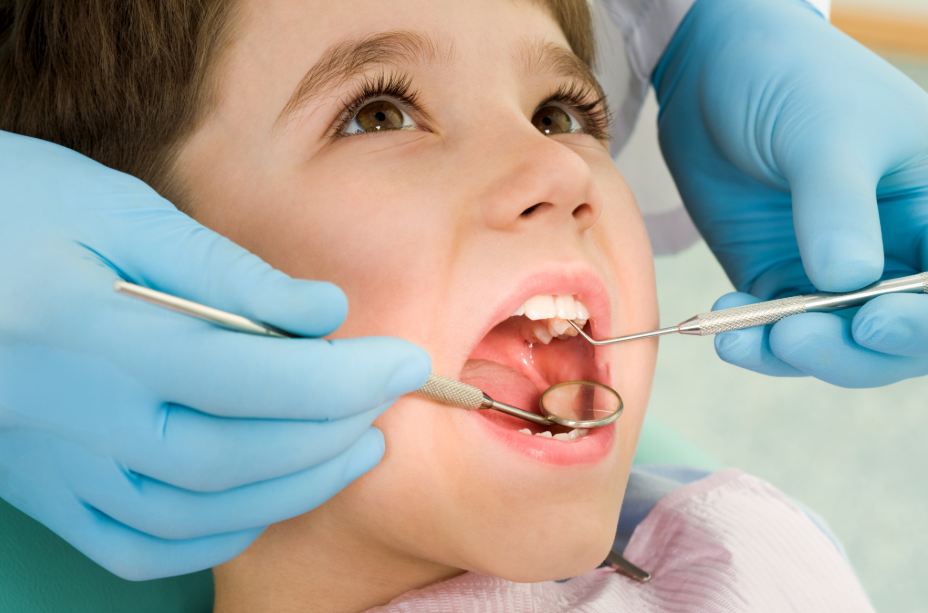
Many children grind or clench their teeth occasionally, especially while sleeping. This habit, known as bruxism, is fairly common during childhood. However, children with special needs may experience teeth grinding more often or more intensely than other children. For parents and caregivers, the sound can be concerning, and over time, the effects on a child’s oral health can become more noticeable.
Children with autism spectrum disorder, sensory processing disorders, ADHD, cerebral palsy, and other developmental or neurological conditions may be more likely to grind their teeth. In some cases, grinding may happen during sleep, while other children may clench or grind during stressful or overstimulating moments throughout the day.
Because every child is different, understanding the root cause of teeth grinding is an important first step toward finding relief.
Why Teeth Grinding Happens
Teeth grinding can happen for several reasons. Some children grind their teeth because of stress, anxiety, or difficulty relaxing before bedtime. Others may do it as a sensory-seeking behavior because they enjoy the pressure or sound created by clenching their jaw.
Sleep disturbances can also contribute to bruxism. Children who have trouble falling asleep, staying asleep, or experiencing restful sleep may be more likely to grind their teeth at night. Certain medications or medical conditions may also increase the likelihood of grinding.
For children with special needs, communication barriers can sometimes make it harder to identify discomfort or emotional stress. Instead of expressing pain, frustration, or anxiety verbally, they may respond physically through behaviors like jaw clenching or grinding.
Signs Parents Should Watch For
Since many children grind their teeth while sleeping, parents may not notice it right away. One of the most obvious signs is hearing a scraping or grinding sound during the night. However, there are several other symptoms that may point to bruxism, including:
- Complaints of jaw pain or headaches
- Increased tooth sensitivity
- Worn, flattened, or chipped teeth
- Trouble chewing comfortably
- Tight facial muscles
- Interrupted sleep
If left untreated, chronic grinding can wear down tooth enamel and increase the risk of dental damage over time.
How a Special Needs Dentist Can Help
A special needs dentist understands that children with developmental, behavioral, or sensory challenges often require a more individualized approach to care. Instead of focusing only on the grinding itself, they work to identify possible triggers and create solutions tailored to the child’s unique needs.
In some cases, simple strategies at home may help reduce grinding. A dentist may recommend calming bedtime routines, sensory-friendly relaxation techniques, or ways to reduce stress throughout the day. If the grinding is causing damage to the teeth, a custom nightguard may be suggested when appropriate.
Special needs dentists also know how to create a supportive and comfortable environment for children who may struggle with traditional dental visits. This can make appointments less stressful for both the child and their caregivers while ensuring important oral health concerns are addressed early.
Regular dental checkups are especially important for monitoring signs of wear and protecting growing smiles from long-term complications.
Helping your child manage teeth grinding early can improve both their comfort and their long-term oral health.
About the Practice
Wylie Children’s Dentistry provides compassionate pediatric dental care for children of all ages, including those with sensory, developmental, and behavioral needs. Dr. Allen Pearson and our caring dental team offer a welcoming environment designed to help children feel safe and comfortable during dental visits while providing personalized care for every smile.
Call us at (972) 429-7070 or schedule your appointment online.