3 Real Dental Problems Children with Down Syndrome Can Experience
December 10, 2025
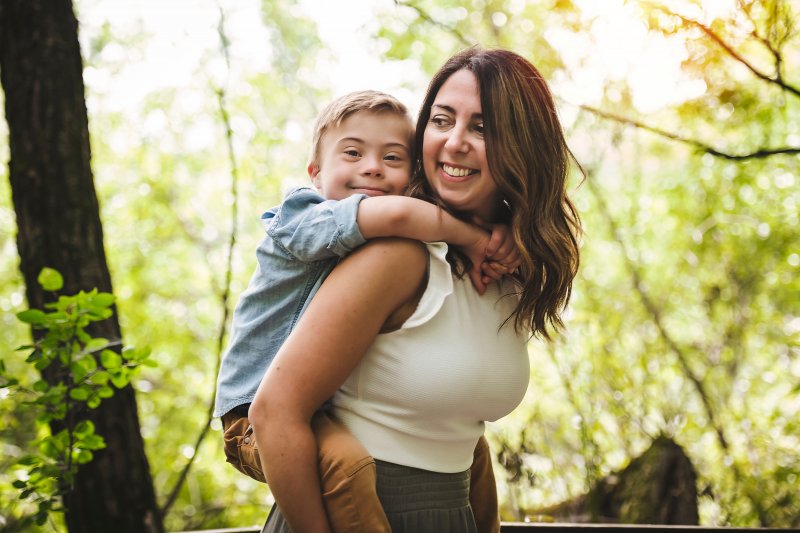
Do you have a child with Down syndrome? Those with physical, intellectual, or developmental disabilities experience additional challenges, especially when it comes to their oral health. Making sure their teeth, gums, and overall smile remain healthy requires time and attention. Read on to learn what kind of oral problems a child with Down syndrome can face and what you and your child’s dentist can do to ensure a healthy smile.
What Kind of Dental Problems Can Children with Down Syndrome Experience?
Individuals with Down syndrome can experience many dental issues, some of which include:
- Delayed Tooth Eruption: Children who are born without any kind of developmental issues may experience their first tooth eruption around six months of age; those with Down syndrome will likely welcome theirs anywhere from 12-24 months. All 20 baby teeth may not be in place until the child is 4 or 5 years of age, as opposed to the common 2-3 years old.
- Gum Disease: The risk for gum disease is high among those with Down syndrome because of their compromised immune system. This makes it difficult for their bodies to protect them against infections that can form inside the mouth.
- Bite Problems: Small teeth are a common occurrence in children with Down syndrome, which can lead to gaps forming in their smile. When combining this problem with a smaller upper jaw, it can result in overcrowding, impaction of permanent teeth, and an underbite or open bite.
How to Help Your Child Maintain a Healthy Smile
Knowing what kinds of dental problems can commonly occur among those with Down syndrome, you can take the appropriate steps to ensure their smile remains in the best possible shape.
Apart from finding a trustworthy dentist who provides accommodations and services designed for children with “special needs,” you can also:
- Make sure your child is brushing and flossing their teeth each day. Use fluoride toothpaste to prevent cavities and tooth decay, and ensure they’re using instruments that are designed to encourage proper cleaning.
- Make sure they’re eating healthy foods as opposed to those filled with sugar and starch. Water, fruits, vegetables, calcium-enriched dairy, lean proteins, and leafy greens can be incorporated.
- Make sure they continue to see a dentist every six months for regular checkups and cleanings.
All children, no matter their ability, deserve to have healthy smiles, so take the proper steps to give yours what they need to succeed.
About the Author
Dr. Allen Pearson has over 20 years of experience as a board-certified pediatric dentist, opening his dental practice in 2003. Since then, he has provided thousands of children with exceptional care, attention, and compassion, all while producing long-lasting results. With advanced training and a kind and attentive demeanor, Dr. Pearson offers special needs dentistry to those with physical or intellectual disabilities. If you have a child with Down syndrome and need a dentist you can trust, visit our website or call (972) 429-7070.